We live in a time where algorithms shape our daily routines, virtual reality redefines how we experience spaces, and screens are our primary windows to the world. Yet, as our lives become increasingly digitized, a counter-movement has emerged to question, celebrate, and reshape this reality. This is where modern cultural gatherings step in to bridge the gap between abstract code and human emotion.
Understanding what is digital culture festival requires looking past standard tech conferences and traditional art galleries. These dynamic events serve as living laboratories where creators, coders, philosophers, and the public collide. You will learn how these festivals function, who brings them to life, and why they matter more than ever for our collective future.
Defining the modern digital culture festival
At its core, a digital culture festival is a multi-day gathering dedicated to exploring how technology transforms creative expression, human connection, and social structures. Unlike industry trade shows focused on sales pitches, these events treat technology as a medium for artistic exploration and critical debate. They display everything from generative AI installations and interactive soundscapes to robot performances and virtual reality documentary films.
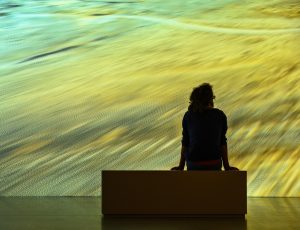
Organizers curate these spaces to foster dialogue rather than just passive consumption. Artists do not simply show off cool gadgets; they interrogate the ethics of surveillance, the environmental cost of server farms, and the psychological weight of social media. Visitors walk through dimly lit halls where code behaves like living paint, reacting to footsteps, heart rates, and ambient sounds.
The intersection of technology, art, and society
The magic happens right at the crossroads where technical capability meets human imagination and social consequence. When an engineer builds a machine learning model, that tool carries inherent biases. When an artist takes that same model and trains it on historical protest photographs, the resulting imagery forces viewers to confront questions about memory, justice, and automation.
This dynamic interplay yields several distinct experiences for attendees:
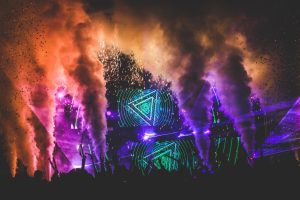
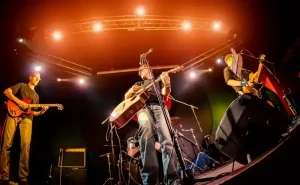
- Live audiovisual performances where musicians manipulate digital assets in real-time alongside generative visual artists.
- Interactive public installations that invite passersby to co-create digital murals using motion sensors.
- Critical debates and panel discussions addressing algorithmic bias, data privacy, and the future of work.
By blending these elements, a true digital culture festival exposes the invisible scaffolding of modern life. It proves that technology is never neutral; it reflects the values, flaws, and aspirations of the society that builds it.
Who makes these events happen?
Pulling off a multidisciplinary festival takes a village of unconventional minds. The ecosystem relies on a diverse cast of contributors who often speak entirely different professional languages. Cultural institutions, municipal arts councils, and independent foundations frequently provide the financial backing and physical spaces needed to house massive server rigs and projection mapping setups.
Here are the primary roles driving these gatherings forward:
- Creative technologists and programmers who write custom software to power interactive exhibits.
- Visual and sonic artists who transform raw code into emotionally resonant experiences.
- Curators and cultural researchers who frame the thematic narrative and select projects with genuine depth.
- Technicians and hardware engineers who ensure miles of cabling and dozens of high-end projectors run smoothly without crashing.
Without this collaboration, events would either devolve into dry academic symposiums or shallow tech product launches. The magic lies precisely in the friction and harmony between these distinct disciplines.
How to experience a digital culture festival
Attending one of these festivals for the first time can feel overwhelming. With so many screens, workshops, and immersive rooms competing for your attention, wandering aimlessly usually leads to sensory fatigue. Approaching the event with a bit of strategy ensures you get the most out of the experience.
Keep these practical tips in mind during your visit:
- Prioritize interactive workshops over passive viewing so you can learn hands-on coding or hardware tinkering skills.
- Wear comfortable shoes because venues are often expansive, repurposed industrial sites with plenty of walking required.
- Check the schedule in advance for limited-capacity performances and book your time slots early.
- Take breaks away from screens to process what you have seen and talk with other attendees.
Treat the festival as a playground for your curiosity rather than a checklist to complete. Allow yourself to get lost in a room filled with generative ambient music or spend twenty minutes watching strangers interact with a robotic sculpture.
Common pitfalls to avoid
Organizers and attendees sometimes fall into predictable traps that dilute the impact of these cultural gatherings. Recognizing these missteps helps you navigate the landscape with a discerning eye. One major mistake is letting the tech overshadow the human element. If an installation relies solely on expensive hardware without offering a compelling narrative or emotional hook, it quickly becomes a glorified tech demo.
Another trap is elitism. Some digital art events lean heavily into impenetrable academic jargon, making casual visitors feel unwelcome or uninformed. The best festivals manage to engage curious beginners while still offering enough conceptual depth to satisfy seasoned media theorists.
Frequently asked questions
Are digital culture festivals only for programmers and artists?
Not at all. While professionals attend to network and showcase work, these festivals are designed for a general audience. If you are curious about how digital tools change the world around us, you will find plenty of accessible exhibits, talks, and performances.
How do these events differ from standard music or film festivals?
Traditional festivals focus on a specific medium like cinema or live bands. A digital culture festival blurs those boundaries completely, featuring projects that combine music, coding, sculpture, sociology, and virtual reality into hybrid experiences.
Can children attend these events?
Many festivals welcome families and offer dedicated workshops where kids can experiment with basic robotics, digital drawing, or game design. However, some late-night audiovisual shows or adult-themed conceptual art pieces may not be suitable for younger audiences.
A space for critical imagination
Digital tools will continue to evolve at a breakneck speed, changing how we work, create, and relate to one another. Understanding what is digital culture festival gives us a lens through which to view this transformation not as an unstoppable wave, but as a canvas for human expression. By bringing together diverse voices under one roof, these festivals remind us that we still hold the brush, the code, and the responsibility to shape what comes next.